Buy jogging.eu ?
We are moving the project
jogging.eu .
Are you interested in purchasing the domain
jogging.eu ?
domain@kv-gmbh.de · 0541-91531010
Buy jogging.eu ?
Are 2 PCIe cables better than 1?
Using 2 PCIe cables instead of 1 can provide better power distribution and reduce the load on each cable, which can help prevent overheating and improve overall system stability. Additionally, using 2 cables can also provide more power capacity, allowing for higher power consumption components to be connected without overloading the cables. Overall, using 2 PCIe cables can be beneficial for high-performance systems or when using power-hungry components. **
Can the direct current cross-section be distributed across multiple cables?
Yes, direct current can be distributed across multiple cables. By connecting multiple cables in parallel, the total current can be divided among the cables, allowing for the distribution of the direct current across them. This method is commonly used in electrical systems to ensure that the current is evenly distributed and to prevent overloading of individual cables. **


Similar search terms for Cables-Direct-1-2m
Top-Angebote
Products related to Cables-Direct-1-2m:


-
How do I determine the polarity of cables in direct current?
To determine the polarity of cables in direct current, you can use a multimeter set to the DC voltage setting. Connect the red probe to the positive terminal of the cable and the black probe to the negative terminal. If the multimeter shows a positive reading, then the red probe is connected to the positive terminal. If the reading is negative, then the red probe is connected to the negative terminal. This method helps you identify the polarity of the cables accurately. **
-
How can you connect an active 15-inch subwoofer using 1 or 2 XLR cables?
To connect an active 15-inch subwoofer using 1 or 2 XLR cables, you will need to first determine if the subwoofer has a single or dual XLR input. If it has a single XLR input, you can simply connect one end of the XLR cable to the subwoofer's input and the other end to the output of your audio source, such as a mixer or amplifier. If the subwoofer has dual XLR inputs, you can use two XLR cables to connect each input to the corresponding output of your audio source for a stereo setup. Make sure to set the subwoofer's input level and crossover frequency to match your audio system for optimal performance. **
-
How can one connect an active 15-inch subwoofer using 1 or 2 XLR cables?
To connect an active 15-inch subwoofer using XLR cables, you will need to first identify the XLR input on the subwoofer. Next, you can use either one or two XLR cables depending on the configuration of the subwoofer. If the subwoofer has a single XLR input, you can connect it using one XLR cable. If the subwoofer has stereo inputs, you can use two XLR cables to connect each channel separately. Simply plug one end of the XLR cable(s) into the subwoofer's input and the other end into the corresponding output on your audio source or mixer. **
-
What does 2m mean technically?
2m technically means 2 meters, where "m" is the symbol for meters, a unit of length in the metric system. One meter is equal to 100 centimeters or approximately 3.28 feet. Therefore, 2m would be equivalent to 200 centimeters or about 6.56 feet. **

Do you need thicker cables for direct current than for alternating current?
No, you do not necessarily need thicker cables for direct current (DC) than for alternating current (AC). The current-carrying capacity of a cable is determined by factors such as the material, size, and insulation of the cable, as well as the voltage and current being carried. Both DC and AC have their own unique considerations when it comes to cable sizing, but the need for thicker cables is not inherently tied to the type of current being carried. It ultimately depends on the specific requirements of the electrical system and the application. **
How can you lay electrical cables outdoors?
When laying electrical cables outdoors, it is important to follow safety guidelines and local regulations. First, you should dig a trench at the appropriate depth to lay the cables in. Then, place the cables in conduit to protect them from the elements and potential damage. Finally, cover the trench with soil or other appropriate material to protect the cables and ensure they are not exposed. It is also important to use cables and materials that are designed for outdoor use and are weather-resistant. **
Top-Angebote
Products related to Cables-Direct-1-2m:
-
Cables Direct 2m Super Slim Active HDMI 1.4 CableIntroducing our new line of ultra-slim HDMI cables, which retain all the advantages of the HDMI High Speed with Ethernet (v1.4) standard while being thinner and more flexible. With a diameter of just 3.6mm, they minimize cable clutter and are perfect for use in confined spaces, such as behind wall-mounted TVs. These active cables ensure high bandwidth over thin cable and are unidirectional with clear labeling for easy installation.22,49 £*Shipping: 0,00 £Secure redirect to the provider
-
Cables Direct 2m CAT6 Patch Cable (Red)Cat-6, or Category 6 cable, is a network cable standard that supports Gigabit Ethernet and other protocols, maintaining compatibility with earlier Cat-5 and Cat-5e standards. It boasts stricter crosstalk and system noise specifications compared to its predecessors, delivering up to 250 MHz performance.10,99 £*Shipping: 0,00 £Secure redirect to the provider
-
Are 2 PCIe cables better than 1?
Using 2 PCIe cables instead of 1 can provide better power distribution and reduce the load on each cable, which can help prevent overheating and improve overall system stability. Additionally, using 2 cables can also provide more power capacity, allowing for higher power consumption components to be connected without overloading the cables. Overall, using 2 PCIe cables can be beneficial for high-performance systems or when using power-hungry components. **
-
Can the direct current cross-section be distributed across multiple cables?
Yes, direct current can be distributed across multiple cables. By connecting multiple cables in parallel, the total current can be divided among the cables, allowing for the distribution of the direct current across them. This method is commonly used in electrical systems to ensure that the current is evenly distributed and to prevent overloading of individual cables. **
-
How do I determine the polarity of cables in direct current?
To determine the polarity of cables in direct current, you can use a multimeter set to the DC voltage setting. Connect the red probe to the positive terminal of the cable and the black probe to the negative terminal. If the multimeter shows a positive reading, then the red probe is connected to the positive terminal. If the reading is negative, then the red probe is connected to the negative terminal. This method helps you identify the polarity of the cables accurately. **
-
How can you connect an active 15-inch subwoofer using 1 or 2 XLR cables?
To connect an active 15-inch subwoofer using 1 or 2 XLR cables, you will need to first determine if the subwoofer has a single or dual XLR input. If it has a single XLR input, you can simply connect one end of the XLR cable to the subwoofer's input and the other end to the output of your audio source, such as a mixer or amplifier. If the subwoofer has dual XLR inputs, you can use two XLR cables to connect each input to the corresponding output of your audio source for a stereo setup. Make sure to set the subwoofer's input level and crossover frequency to match your audio system for optimal performance. **
Similar search terms for Cables-Direct-1-2m
-
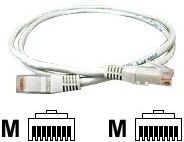
Cables Direct 2m CAT5E Patch Cable (Grey)2-meter CAT 5e patch cable with RJ-45 male connectors wired to T568B standard. Features molded, stranded construction using unshielded twisted pair (UTP) technology for standard Ethernet networking applications.9,99 £*Shipping: 0,00 £Secure redirect to the provider
-
How can one connect an active 15-inch subwoofer using 1 or 2 XLR cables?
To connect an active 15-inch subwoofer using XLR cables, you will need to first identify the XLR input on the subwoofer. Next, you can use either one or two XLR cables depending on the configuration of the subwoofer. If the subwoofer has a single XLR input, you can connect it using one XLR cable. If the subwoofer has stereo inputs, you can use two XLR cables to connect each channel separately. Simply plug one end of the XLR cable(s) into the subwoofer's input and the other end into the corresponding output on your audio source or mixer. **
-
What does 2m mean technically?
2m technically means 2 meters, where "m" is the symbol for meters, a unit of length in the metric system. One meter is equal to 100 centimeters or approximately 3.28 feet. Therefore, 2m would be equivalent to 200 centimeters or about 6.56 feet. **
-
Do you need thicker cables for direct current than for alternating current?
No, you do not necessarily need thicker cables for direct current (DC) than for alternating current (AC). The current-carrying capacity of a cable is determined by factors such as the material, size, and insulation of the cable, as well as the voltage and current being carried. Both DC and AC have their own unique considerations when it comes to cable sizing, but the need for thicker cables is not inherently tied to the type of current being carried. It ultimately depends on the specific requirements of the electrical system and the application. **
-
How can you lay electrical cables outdoors?
When laying electrical cables outdoors, it is important to follow safety guidelines and local regulations. First, you should dig a trench at the appropriate depth to lay the cables in. Then, place the cables in conduit to protect them from the elements and potential damage. Finally, cover the trench with soil or other appropriate material to protect the cables and ensure they are not exposed. It is also important to use cables and materials that are designed for outdoor use and are weather-resistant. **
* All prices are inclusive of VAT and, if applicable, plus shipping costs. The offer information is based on the details provided by the respective shop and is updated through automated processes. Real-time updates do not occur, so deviations can occur in individual cases. ** Note: Parts of this content were created by AI.