Buy jogging.eu ?
We are moving the project
jogging.eu .
Are you interested in purchasing the domain
jogging.eu ?
domain@kv-gmbh.de · 0541-91531010
Buy jogging.eu ?
Is allosteric inhibition the same as non-competitive inhibition?
Allosteric inhibition and non-competitive inhibition are not the same, although they are related. Non-competitive inhibition refers to the binding of an inhibitor to a site on the enzyme that is not the active site, thereby preventing the substrate from binding to the active site. Allosteric inhibition, on the other hand, occurs when an inhibitor binds to a site on the enzyme that is distinct from the active site, causing a conformational change in the enzyme that reduces its activity. While both types of inhibition involve the binding of an inhibitor to a site other than the active site, allosteric inhibition specifically involves a change in the enzyme's shape and activity. **
What type of inhibition occurs through allosteric activation/inhibition?
Allosteric inhibition occurs when a molecule binds to an allosteric site on an enzyme, causing a conformational change that reduces the enzyme's activity. This type of inhibition is non-competitive, meaning it does not compete with the substrate for the active site. Allosteric activation, on the other hand, occurs when a molecule binds to an allosteric site and enhances the enzyme's activity. Both allosteric inhibition and activation involve the binding of a regulatory molecule to a site other than the active site of the enzyme, leading to a change in the enzyme's activity. **

Similar search terms for Inhibition
Top-Angebote
Products related to Inhibition:
-
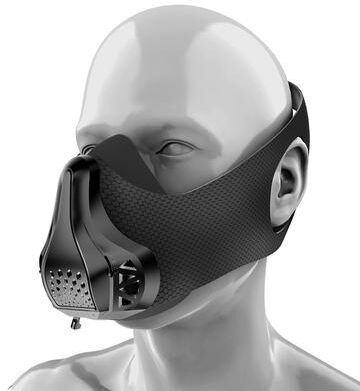
ModernMart Altitude Boost Training Mask For Running, Cardio & Endurance Fitness Altitude Boost Training Mask For Running, Cardio & Endurance FitnessBuilt to push limits, this _training mask_ transforms everyday workouts into highintensity performance sessions. Designed for runners, cyclists, gym athletes, and endurance trainers, it uses adjustable airflow resistance to help strengthen breathing...44,97 $*Shipping: 0,00 $Secure redirect to the provider
-
FusionFolio Women's Long Sleeve Sports Top, Tight Fitness Wear For Gym, Yoga, Running And Exercise Training blue lElevate your workout wardrobe with our Women's Long Sleeve Sports Top, specifically designed for active lifestyles. Whether you're deepening your yoga practice or engaging in highintensity workouts, this yoga long sleeve top offers the perfect blend...25,97 $*Shipping: 0,00 $Secure redirect to the provider
-
FusionFolio Women's Long Sleeve Sports Top, Tight Fitness Wear For Gym, Yoga, Running And Exercise Training gray mElevate your workout wardrobe with our Women's Long Sleeve Sports Top, specifically designed for active lifestyles. Whether you're deepening your yoga practice or engaging in highintensity workouts, this yoga long sleeve top offers the perfect blend...23,97 $*Shipping: 0,00 $Secure redirect to the provider
-
FusionFolio Women's Long Sleeve Sports Top, Tight Fitness Wear For Gym, Yoga, Running And Exercise Training gray lElevate your workout wardrobe with our Women's Long Sleeve Sports Top, specifically designed for active lifestyles. Whether you're deepening your yoga practice or engaging in highintensity workouts, this yoga long sleeve top offers the perfect blend...25,97 $*Shipping: 0,00 $Secure redirect to the provider


-
What is the difference between competitive inhibition and allosteric inhibition?
Competitive inhibition occurs when a molecule competes with the substrate for the active site of an enzyme, effectively blocking the substrate from binding and inhibiting the enzyme's activity. In contrast, allosteric inhibition occurs when a molecule binds to a site on the enzyme other than the active site, causing a conformational change that reduces the enzyme's activity. While competitive inhibition directly competes with the substrate for the active site, allosteric inhibition involves binding to a different site on the enzyme to regulate its activity. **
-
Is allosteric inhibition irreversible?
Allosteric inhibition is typically reversible, meaning that the inhibitor can bind to the allosteric site and block the activity of the enzyme, but can also dissociate from the site, allowing the enzyme to regain its activity. This is in contrast to irreversible inhibition, where the inhibitor forms a covalent bond with the enzyme, permanently inactivating it. **
-
Non-competitive inhibition, right?
Non-competitive inhibition is a type of enzyme inhibition where the inhibitor binds to a site on the enzyme that is not the active site. This binding causes a conformational change in the enzyme, making it less effective at catalyzing the reaction. Non-competitive inhibitors do not compete with the substrate for binding to the enzyme. Instead, they can bind to the enzyme-substrate complex or to a separate allosteric site on the enzyme. **
-
What is allosteric inhibition?
Allosteric inhibition is a type of enzyme regulation where a molecule binds to a site on the enzyme that is different from the active site, causing a conformational change in the enzyme's structure. This change reduces the enzyme's activity and ability to bind to its substrate, ultimately inhibiting its function. Allosteric inhibition is a reversible process and can be used to regulate enzyme activity in response to changing cellular conditions. **


What is the difference between allosteric inhibition and competitive inhibition in biology?
Allosteric inhibition occurs when a molecule binds to an allosteric site on an enzyme, causing a conformational change that reduces the enzyme's activity. This type of inhibition is non-competitive and can affect multiple enzymes in a metabolic pathway. On the other hand, competitive inhibition occurs when a molecule competes with the substrate for the active site of the enzyme, effectively blocking the substrate from binding and reducing the enzyme's activity. Competitive inhibition can be overcome by increasing the concentration of the substrate, while allosteric inhibition cannot be overcome in the same way. **
What causes growth inhibition from 8 kg dumbbell training?
Growth inhibition from 8 kg dumbbell training can be caused by a few factors. One potential reason is that the weight may not be challenging enough to stimulate muscle growth, leading to a plateau in progress. Additionally, inadequate rest and recovery time between workouts can also hinder muscle growth. Finally, poor nutrition and insufficient protein intake can limit the body's ability to build and repair muscle tissue, leading to growth inhibition. **
Top-Angebote
Products related to Inhibition:
-
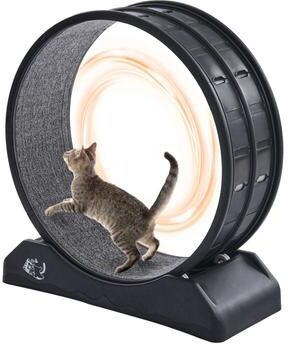
Multicon Wholesale Hub Large Cat Exercise Wheel Indoor Running Treadmill For Active Cats Large Cat Exercise Wheel Indoor Running Treadmill For Active CatsIs your cat restless indoors The Large Cat Exercise Wheel is designed to keep your cat active, fit, and entertained. This highquality, 31.5inch approx treadmill provides endless fun and exercise for cats up to 8.8 lbs, helping reduce anxiety and...134,97 $*Shipping: 0,00 $Secure redirect to the provider
-
FusionFolio Women's Long Sleeve Sports Top, Tight Fitness Wear For Gym, Yoga, Running And Exercise Training black mElevate your workout wardrobe with our Women's Long Sleeve Sports Top, specifically designed for active lifestyles. Whether you're deepening your yoga practice or engaging in highintensity workouts, this yoga long sleeve top offers the perfect blend...23,97 $*Shipping: 0,00 $Secure redirect to the provider
-
ModernMart Altitude Boost Training Mask For Running, Cardio & Endurance Fitness Altitude Boost Training Mask For Running, Cardio & Endurance FitnessBuilt to push limits, this _training mask_ transforms everyday workouts into highintensity performance sessions. Designed for runners, cyclists, gym athletes, and endurance trainers, it uses adjustable airflow resistance to help strengthen breathing...44,97 $*Shipping: 0,00 $Secure redirect to the provider
-
FusionFolio Women's Long Sleeve Sports Top, Tight Fitness Wear For Gym, Yoga, Running And Exercise Training blue lElevate your workout wardrobe with our Women's Long Sleeve Sports Top, specifically designed for active lifestyles. Whether you're deepening your yoga practice or engaging in highintensity workouts, this yoga long sleeve top offers the perfect blend...25,97 $*Shipping: 0,00 $Secure redirect to the provider
-
Is allosteric inhibition the same as non-competitive inhibition?
Allosteric inhibition and non-competitive inhibition are not the same, although they are related. Non-competitive inhibition refers to the binding of an inhibitor to a site on the enzyme that is not the active site, thereby preventing the substrate from binding to the active site. Allosteric inhibition, on the other hand, occurs when an inhibitor binds to a site on the enzyme that is distinct from the active site, causing a conformational change in the enzyme that reduces its activity. While both types of inhibition involve the binding of an inhibitor to a site other than the active site, allosteric inhibition specifically involves a change in the enzyme's shape and activity. **
-
What type of inhibition occurs through allosteric activation/inhibition?
Allosteric inhibition occurs when a molecule binds to an allosteric site on an enzyme, causing a conformational change that reduces the enzyme's activity. This type of inhibition is non-competitive, meaning it does not compete with the substrate for the active site. Allosteric activation, on the other hand, occurs when a molecule binds to an allosteric site and enhances the enzyme's activity. Both allosteric inhibition and activation involve the binding of a regulatory molecule to a site other than the active site of the enzyme, leading to a change in the enzyme's activity. **
-
What is the difference between competitive inhibition and allosteric inhibition?
Competitive inhibition occurs when a molecule competes with the substrate for the active site of an enzyme, effectively blocking the substrate from binding and inhibiting the enzyme's activity. In contrast, allosteric inhibition occurs when a molecule binds to a site on the enzyme other than the active site, causing a conformational change that reduces the enzyme's activity. While competitive inhibition directly competes with the substrate for the active site, allosteric inhibition involves binding to a different site on the enzyme to regulate its activity. **
-
Is allosteric inhibition irreversible?
Allosteric inhibition is typically reversible, meaning that the inhibitor can bind to the allosteric site and block the activity of the enzyme, but can also dissociate from the site, allowing the enzyme to regain its activity. This is in contrast to irreversible inhibition, where the inhibitor forms a covalent bond with the enzyme, permanently inactivating it. **
Similar search terms for Inhibition
-
FusionFolio Women's Long Sleeve Sports Top, Tight Fitness Wear For Gym, Yoga, Running And Exercise Training gray mElevate your workout wardrobe with our Women's Long Sleeve Sports Top, specifically designed for active lifestyles. Whether you're deepening your yoga practice or engaging in highintensity workouts, this yoga long sleeve top offers the perfect blend...23,97 $*Shipping: 0,00 $Secure redirect to the provider
-
FusionFolio Women's Long Sleeve Sports Top, Tight Fitness Wear For Gym, Yoga, Running And Exercise Training gray lElevate your workout wardrobe with our Women's Long Sleeve Sports Top, specifically designed for active lifestyles. Whether you're deepening your yoga practice or engaging in highintensity workouts, this yoga long sleeve top offers the perfect blend...25,97 $*Shipping: 0,00 $Secure redirect to the provider
-
FusionFolio Women's Long Sleeve Sports Top, Tight Fitness Wear For Gym, Yoga, Running And Exercise Training gray xlElevate your workout wardrobe with our Women's Long Sleeve Sports Top, specifically designed for active lifestyles. Whether you're deepening your yoga practice or engaging in highintensity workouts, this yoga long sleeve top offers the perfect blend...27,97 $*Shipping: 0,00 $Secure redirect to the provider
-
FusionFolio Women's Long Sleeve Sports Top, Tight Fitness Wear For Gym, Yoga, Running And Exercise Training blue mElevate your workout wardrobe with our Women's Long Sleeve Sports Top, specifically designed for active lifestyles. Whether you're deepening your yoga practice or engaging in highintensity workouts, this yoga long sleeve top offers the perfect blend...23,97 $*Shipping: 0,00 $Secure redirect to the provider
-
Non-competitive inhibition, right?
Non-competitive inhibition is a type of enzyme inhibition where the inhibitor binds to a site on the enzyme that is not the active site. This binding causes a conformational change in the enzyme, making it less effective at catalyzing the reaction. Non-competitive inhibitors do not compete with the substrate for binding to the enzyme. Instead, they can bind to the enzyme-substrate complex or to a separate allosteric site on the enzyme. **
-
What is allosteric inhibition?
Allosteric inhibition is a type of enzyme regulation where a molecule binds to a site on the enzyme that is different from the active site, causing a conformational change in the enzyme's structure. This change reduces the enzyme's activity and ability to bind to its substrate, ultimately inhibiting its function. Allosteric inhibition is a reversible process and can be used to regulate enzyme activity in response to changing cellular conditions. **
-
What is the difference between allosteric inhibition and competitive inhibition in biology?
Allosteric inhibition occurs when a molecule binds to an allosteric site on an enzyme, causing a conformational change that reduces the enzyme's activity. This type of inhibition is non-competitive and can affect multiple enzymes in a metabolic pathway. On the other hand, competitive inhibition occurs when a molecule competes with the substrate for the active site of the enzyme, effectively blocking the substrate from binding and reducing the enzyme's activity. Competitive inhibition can be overcome by increasing the concentration of the substrate, while allosteric inhibition cannot be overcome in the same way. **
-
What causes growth inhibition from 8 kg dumbbell training?
Growth inhibition from 8 kg dumbbell training can be caused by a few factors. One potential reason is that the weight may not be challenging enough to stimulate muscle growth, leading to a plateau in progress. Additionally, inadequate rest and recovery time between workouts can also hinder muscle growth. Finally, poor nutrition and insufficient protein intake can limit the body's ability to build and repair muscle tissue, leading to growth inhibition. **
* All prices are inclusive of VAT and, if applicable, plus shipping costs. The offer information is based on the details provided by the respective shop and is updated through automated processes. Real-time updates do not occur, so deviations can occur in individual cases. ** Note: Parts of this content were created by AI.