Buy jogging.eu ?
We are moving the project
jogging.eu .
Are you interested in purchasing the domain
jogging.eu ?
domain@kv-gmbh.de · 0541-91531010
Buy jogging.eu ?
What factors led to the end of the hippie movement?
Several factors contributed to the end of the hippie movement in the late 1960s and early 1970s. One factor was the increasing commercialization and mainstream acceptance of aspects of hippie culture, which diluted its countercultural impact. Additionally, the Vietnam War was winding down, and many young people who had been involved in anti-war protests and activism were moving on to other causes. The rise of harder drugs and the associated negative social impacts also played a role in the decline of the movement. Finally, the economic downturn of the 1970s led many former hippies to focus on more practical concerns such as finding stable employment and starting families. **
What do push factors and pull factors mean?
Push factors are circumstances that force individuals to leave their current location, such as poverty, political instability, or lack of job opportunities. Pull factors, on the other hand, are conditions that attract individuals to a new location, such as better job prospects, higher quality of life, or political stability. Both push and pull factors play a significant role in influencing migration patterns and decisions. **


Similar search terms for Factors
Top-Angebote
Products related to Factors:
-
FusionFolio Women's Long Sleeve Sports Top, Tight Fitness Wear For Gym, Yoga, Running And Exercise Training blue xlElevate your workout wardrobe with our Women's Long Sleeve Sports Top, specifically designed for active lifestyles. Whether you're deepening your yoga practice or engaging in highintensity workouts, this yoga long sleeve top offers the perfect blend...27,97 $*Shipping: 0,00 $Secure redirect to the provider
-
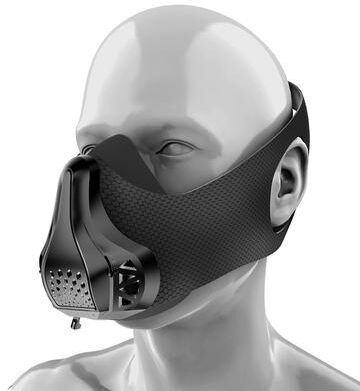
ModernMart Altitude Boost Training Mask For Running, Cardio & Endurance Fitness Altitude Boost Training Mask For Running, Cardio & Endurance FitnessBuilt to push limits, this _training mask_ transforms everyday workouts into highintensity performance sessions. Designed for runners, cyclists, gym athletes, and endurance trainers, it uses adjustable airflow resistance to help strengthen breathing...44,97 $*Shipping: 0,00 $Secure redirect to the provider
-
Inspire Essentials Adjustable Weighted Workout Vest For Running Strength Training Fitness Adjustable Weighted Workout Vest For Running Strength Training FitnessFeel stronger with every workout using this comfortable weighted workout vest. Designed for runners, fitness enthusiasts, and anyone looking to add resistance to their training, it helps improve endurance, strength, and overall performance. The...53,98 $*Shipping: 0,00 $Secure redirect to the provider
-
FusionFolio Women's Long Sleeve Sports Top, Tight Fitness Wear For Gym, Yoga, Running And Exercise Training black sElevate your workout wardrobe with our Women's Long Sleeve Sports Top, specifically designed for active lifestyles. Whether you're deepening your yoga practice or engaging in highintensity workouts, this yoga long sleeve top offers the perfect blend...21,97 $*Shipping: 0,00 $Secure redirect to the provider



-
To which factors do biotic and abiotic factors belong?
Biotic factors belong to living organisms such as plants, animals, fungi, and bacteria, while abiotic factors belong to non-living elements such as temperature, water, sunlight, soil, and air. Both biotic and abiotic factors play crucial roles in shaping ecosystems and influencing the distribution and abundance of species within those ecosystems. They interact with each other to create complex and dynamic environments. **
-
Which risk and health factors play a role in your life?
As a language model AI, I do not have personal experiences or health factors. However, in general, risk and health factors that play a role in people's lives can include genetic predispositions, lifestyle choices such as diet and exercise, environmental factors, and access to healthcare. These factors can contribute to the development of chronic diseases, mental health issues, and overall well-being. It is important for individuals to be aware of these factors and take steps to mitigate risks through healthy habits and regular medical check-ups. **
-
What is the difference between density-independent factors and abiotic factors?
Density-independent factors are environmental factors that affect a population regardless of its size or density, such as natural disasters or climate change. Abiotic factors, on the other hand, are non-living components of an ecosystem that can influence the survival and growth of organisms, such as temperature, sunlight, and soil composition. While density-independent factors can include abiotic factors, abiotic factors encompass a broader range of non-living elements that can impact an ecosystem. **
-
What are original factors of production and derivative factors of production?
Original factors of production are the primary inputs required for the production process, including land, labor, capital, and entrepreneurship. These factors are essential for creating goods and services. Derivative factors of production are resources that are created or derived from the original factors, such as technology, knowledge, and skills. These derivative factors enhance the productivity and efficiency of the original factors in the production process. **


What are social factors?
Social factors are external elements that influence an individual's behavior, beliefs, and interactions within society. These factors can include cultural norms, family dynamics, socioeconomic status, education, and peer influences. Social factors play a significant role in shaping an individual's identity, values, and choices, as they are constantly being influenced by the people and environment around them. Understanding social factors is crucial in addressing societal issues and promoting positive change within communities. **
What are unfavorable factors?
Unfavorable factors are circumstances or conditions that work against a desired outcome or goal. These factors can include things like economic downturns, unfavorable market conditions, lack of resources, competition, or external events beyond one's control. Unfavorable factors can hinder progress, create challenges, and make it difficult to achieve success in a particular endeavor. It is important to identify and address these factors in order to mitigate their impact and increase the likelihood of achieving positive results. **
Top-Angebote
Products related to Factors:
-
Macmillan Business How Big Things Get Done: The Surprising Factors Behind Every Successful Project, from Home Renovations to Space ExplorationHow Big Things Get Done: The Surprising Factors Behind Every Successful Project, from Home Renovations to Space Exploration Nothing is more inspiring than a big vision that becomes a triumphant new reality. Think of how Apple’s iPod went from a project with a single employee to an enormously successful product launch in eleven months. But such successes are the exception. Consider how London’s Crossrail project delivered five years late and billions over budget. More modest endeavours, whether launching a small business, organizing a conference, or just finishing a work project on time, also commonly fail. Why? Understanding what distinguishes the triumphs from the failures has been the life’s work of Oxford professor Bent Flyvbjerg. In How Big Things Get Done, he identifies the errors that lead projects to fail, and the research-based principles that will make yours succeed: Understand your odds. If you don’t know them, you won’t win. Plan slow, act fast. Getting to the action quick feels right. But it’s wrong. Think right to left. Start with your goal, then identify the steps to get there. Find your Lego. Big is best built from small. Master the unknown unknowns. Most think they can’t, so they fail. Flyvbjerg shows how you can. Full of vivid examples ranging from the building of the Sydney Opera House to the making of the latest Pixar blockbusters, How Big Things Get Done reveals how to get any ambitious project done – on time and on budget.2,99 £*Shipping: 1,99 £Secure redirect to the provider
-
Multicon Wholesale Hub Large Cat Exercise Wheel Indoor Running Treadmill For Active Cats Large Cat Exercise Wheel Indoor Running Treadmill For Active CatsIs your cat restless indoors The Large Cat Exercise Wheel is designed to keep your cat active, fit, and entertained. This highquality, 31.5inch approx treadmill provides endless fun and exercise for cats up to 8.8 lbs, helping reduce anxiety and...134,97 $*Shipping: 0,00 $Secure redirect to the provider
-
FusionFolio Women's Long Sleeve Sports Top, Tight Fitness Wear For Gym, Yoga, Running And Exercise Training blue xlElevate your workout wardrobe with our Women's Long Sleeve Sports Top, specifically designed for active lifestyles. Whether you're deepening your yoga practice or engaging in highintensity workouts, this yoga long sleeve top offers the perfect blend...27,97 $*Shipping: 0,00 $Secure redirect to the provider
-
ModernMart Altitude Boost Training Mask For Running, Cardio & Endurance Fitness Altitude Boost Training Mask For Running, Cardio & Endurance FitnessBuilt to push limits, this _training mask_ transforms everyday workouts into highintensity performance sessions. Designed for runners, cyclists, gym athletes, and endurance trainers, it uses adjustable airflow resistance to help strengthen breathing...44,97 $*Shipping: 0,00 $Secure redirect to the provider
-
What factors led to the end of the hippie movement?
Several factors contributed to the end of the hippie movement in the late 1960s and early 1970s. One factor was the increasing commercialization and mainstream acceptance of aspects of hippie culture, which diluted its countercultural impact. Additionally, the Vietnam War was winding down, and many young people who had been involved in anti-war protests and activism were moving on to other causes. The rise of harder drugs and the associated negative social impacts also played a role in the decline of the movement. Finally, the economic downturn of the 1970s led many former hippies to focus on more practical concerns such as finding stable employment and starting families. **
-
What do push factors and pull factors mean?
Push factors are circumstances that force individuals to leave their current location, such as poverty, political instability, or lack of job opportunities. Pull factors, on the other hand, are conditions that attract individuals to a new location, such as better job prospects, higher quality of life, or political stability. Both push and pull factors play a significant role in influencing migration patterns and decisions. **
-
To which factors do biotic and abiotic factors belong?
Biotic factors belong to living organisms such as plants, animals, fungi, and bacteria, while abiotic factors belong to non-living elements such as temperature, water, sunlight, soil, and air. Both biotic and abiotic factors play crucial roles in shaping ecosystems and influencing the distribution and abundance of species within those ecosystems. They interact with each other to create complex and dynamic environments. **
-
Which risk and health factors play a role in your life?
As a language model AI, I do not have personal experiences or health factors. However, in general, risk and health factors that play a role in people's lives can include genetic predispositions, lifestyle choices such as diet and exercise, environmental factors, and access to healthcare. These factors can contribute to the development of chronic diseases, mental health issues, and overall well-being. It is important for individuals to be aware of these factors and take steps to mitigate risks through healthy habits and regular medical check-ups. **
Similar search terms for Factors
-
Inspire Essentials Adjustable Weighted Workout Vest For Running Strength Training Fitness Adjustable Weighted Workout Vest For Running Strength Training FitnessFeel stronger with every workout using this comfortable weighted workout vest. Designed for runners, fitness enthusiasts, and anyone looking to add resistance to their training, it helps improve endurance, strength, and overall performance. The...53,98 $*Shipping: 0,00 $Secure redirect to the provider
-
FusionFolio Women's Long Sleeve Sports Top, Tight Fitness Wear For Gym, Yoga, Running And Exercise Training black sElevate your workout wardrobe with our Women's Long Sleeve Sports Top, specifically designed for active lifestyles. Whether you're deepening your yoga practice or engaging in highintensity workouts, this yoga long sleeve top offers the perfect blend...21,97 $*Shipping: 0,00 $Secure redirect to the provider
-
FusionFolio Women's Long Sleeve Sports Top, Tight Fitness Wear For Gym, Yoga, Running And Exercise Training gray lElevate your workout wardrobe with our Women's Long Sleeve Sports Top, specifically designed for active lifestyles. Whether you're deepening your yoga practice or engaging in highintensity workouts, this yoga long sleeve top offers the perfect blend...25,97 $*Shipping: 0,00 $Secure redirect to the provider
-
FusionFolio Women's Long Sleeve Sports Top, Tight Fitness Wear For Gym, Yoga, Running And Exercise Training blue sElevate your workout wardrobe with our Women's Long Sleeve Sports Top, specifically designed for active lifestyles. Whether you're deepening your yoga practice or engaging in highintensity workouts, this yoga long sleeve top offers the perfect blend...21,97 $*Shipping: 0,00 $Secure redirect to the provider
-
What is the difference between density-independent factors and abiotic factors?
Density-independent factors are environmental factors that affect a population regardless of its size or density, such as natural disasters or climate change. Abiotic factors, on the other hand, are non-living components of an ecosystem that can influence the survival and growth of organisms, such as temperature, sunlight, and soil composition. While density-independent factors can include abiotic factors, abiotic factors encompass a broader range of non-living elements that can impact an ecosystem. **
-
What are original factors of production and derivative factors of production?
Original factors of production are the primary inputs required for the production process, including land, labor, capital, and entrepreneurship. These factors are essential for creating goods and services. Derivative factors of production are resources that are created or derived from the original factors, such as technology, knowledge, and skills. These derivative factors enhance the productivity and efficiency of the original factors in the production process. **
-
What are social factors?
Social factors are external elements that influence an individual's behavior, beliefs, and interactions within society. These factors can include cultural norms, family dynamics, socioeconomic status, education, and peer influences. Social factors play a significant role in shaping an individual's identity, values, and choices, as they are constantly being influenced by the people and environment around them. Understanding social factors is crucial in addressing societal issues and promoting positive change within communities. **
-
What are unfavorable factors?
Unfavorable factors are circumstances or conditions that work against a desired outcome or goal. These factors can include things like economic downturns, unfavorable market conditions, lack of resources, competition, or external events beyond one's control. Unfavorable factors can hinder progress, create challenges, and make it difficult to achieve success in a particular endeavor. It is important to identify and address these factors in order to mitigate their impact and increase the likelihood of achieving positive results. **
* All prices are inclusive of VAT and, if applicable, plus shipping costs. The offer information is based on the details provided by the respective shop and is updated through automated processes. Real-time updates do not occur, so deviations can occur in individual cases. ** Note: Parts of this content were created by AI.