Buy jogging.eu ?
We are moving the project
jogging.eu .
Are you interested in purchasing the domain
jogging.eu ?
domain@kv-gmbh.de · 0541-91531010
Buy jogging.eu ?
What is the difference between resting heart rate and maximum heart rate during exercise?
Resting heart rate is the number of times your heart beats per minute when you are at rest, typically measured in the morning before getting out of bed. Maximum heart rate, on the other hand, is the highest number of times your heart can beat in one minute during intense exercise. Resting heart rate is a good indicator of overall cardiovascular health, while maximum heart rate is used to determine exercise intensity and target heart rate zones during workouts. Generally, maximum heart rate decreases with age, while resting heart rate tends to decrease with improved cardiovascular fitness. **
What is the heart rate while running?
The heart rate while running varies depending on factors such as fitness level, age, and intensity of the run. Generally, the heart rate while running can range from 120-180 beats per minute for most people. During intense sprints or uphill running, the heart rate can go even higher, while during a light jog, the heart rate may be lower. It's important to monitor your heart rate while running to ensure you are working at an appropriate intensity level for your fitness goals. **

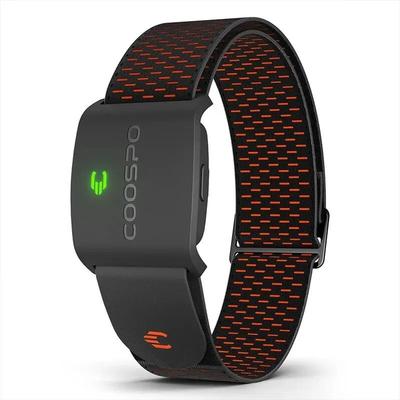
Similar search terms for PRiME-Armband-Heart-Rate
Top-Angebote
Products related to PRiME-Armband-Heart-Rate:
-
Uplift Essentials Armband Heart Rate Monitor With Bluetooth And ANT Plus For Fitness Peloton Zwift Wahoo Armband Heart Rate Monitor With Bluetooth And ANT Plus For Fitness Peloton Zwift WahooTrain Smarter with Accurate Heart Rate Zone Tracking Enhance every workout with this wearable armband heart rate monitor that delivers realtime precision and superior comfort. With Bluetooth 5.0 and ANT Plus connectivity, it pairs easily with your...88,97 $*Shipping: 0,00 $Secure redirect to the provider
-
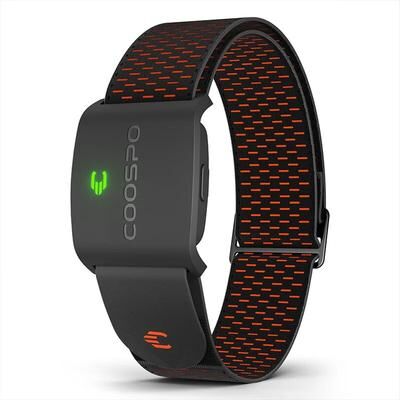
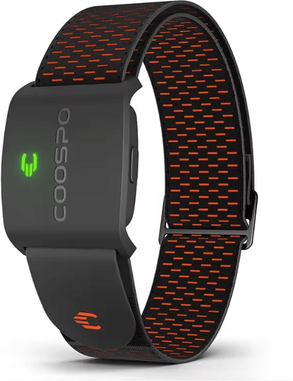
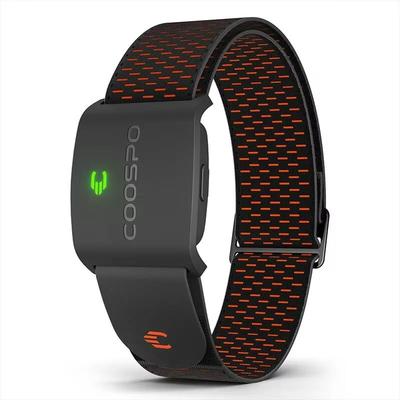
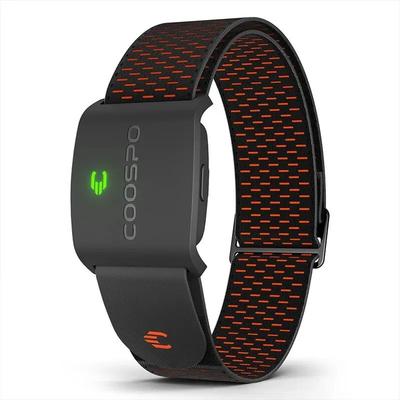
PRiME Armband Heart Rate Monitor With HR Zones & Calories, Bluetooth 5.0 ANT+ HRM Sensor For Cycling, Peloton, Zwift, Wahoo Armband Heart Rate Monitor With HR Zones & Calories, Bluetooth 5.0 ANT+ HRM Sensor For Cycling, Peloton, Zwift, WahooStay in control of your training with the COOSPO HW9 Armband Heart Rate Monitor, a lightweight and comfortable HRM armband designed for fitness enthusiasts who demand precision. Whether you're cycling, running, or doing HIIT, this heart rate monitor...59,97 $*Shipping: 0,00 $Secure redirect to the provider
-
Inspire Essentials COOSPO HW9 Armband Heart Rate Monitor With Bluetooth And ANT Plus Connectivity COOSPO HW9 Armband Heart Rate Monitor With Bluetooth And ANT Plus ConnectivityTake your training to the next level with the COOSPO HW9 heart rate monitor, a highperformance fitness tracker designed for accuracy, comfort, and versatility. This armband heart rate monitor delivers realtime heart rate, calories, and zone tracking...102,48 $*Shipping: 0,00 $Secure redirect to the provider
-
Inspired Finds COOSPO HW9 Bluetooth & ANT+ Heart Rate Monitor Armband For Peloton, Zwift & Cycling COOSPO HW9 Bluetooth & ANT+ Heart Rate Monitor Armband For Peloton, Zwift & CyclingUnlock the full potential of your workouts with a heart rate monitor armband designed for precision, comfort, and realtime feedback. The COOSPO HW9 isn't just another fitness tracker its your personal performance optimizer. Ideal for athletes,...161,99 $*Shipping: 0,00 $Secure redirect to the provider

-
Is heart rate training not meaningful?
Heart rate training can be meaningful for certain individuals, especially those who are looking to improve their cardiovascular fitness, monitor their exercise intensity, or track their progress over time. By using heart rate as a guide, individuals can ensure they are working out at an appropriate intensity level for their fitness goals. However, it's important to note that heart rate training may not be the best approach for everyone, as individual responses to exercise can vary. It's always a good idea to consult with a fitness professional to determine the most effective training approach for your specific needs and goals. **
-
How does the heart rate change during exercise?
During exercise, the heart rate increases to pump more oxygen-rich blood to the muscles to meet the increased demand for energy. This increase in heart rate is a normal response to physical activity and helps to deliver nutrients and oxygen to the muscles more efficiently. The heart rate will continue to rise as the intensity of the exercise increases, and will gradually decrease as the body returns to a resting state after the workout. **
-
Does the heart rate not increase during exercise?
Yes, the heart rate does increase during exercise. When we engage in physical activity, our muscles require more oxygen and nutrients to function, so the heart needs to pump more blood to deliver these essential elements. This increased demand for blood flow causes the heart rate to rise in order to meet the body's needs during exercise. **
-
Why does the heart rate increase during running?
The heart rate increases during running to meet the increased demand for oxygen and nutrients by the working muscles. As the muscles contract more frequently during running, they require more oxygen to produce energy for movement. The heart responds by pumping more blood to deliver oxygen and nutrients to the muscles, resulting in an increase in heart rate. This helps to ensure that the muscles receive an adequate blood supply to sustain the physical activity. **

Why doesn't the heart rate increase when running?
The heart rate increases when running because the body requires more oxygen and nutrients to fuel the muscles. This increased demand for oxygen and nutrients is met by the heart pumping more blood to the muscles. The heart rate does not increase indefinitely because the body reaches a point where it cannot pump blood any faster, known as the maximum heart rate. At this point, the body relies on other mechanisms, such as increasing stroke volume, to meet the increased demand for oxygen and nutrients during running. **
Is a heart rate of 200 while jogging normal?
A heart rate of 200 while jogging is generally considered high and may be above the target heart rate zone for most individuals. It is important to consider factors such as age, fitness level, and overall health when determining if a heart rate of 200 is normal. It is recommended to consult with a healthcare provider or fitness professional to determine an appropriate target heart rate range for safe and effective exercise. **
Top-Angebote
Products related to PRiME-Armband-Heart-Rate:
-
Smart Shopping Spot HW9 Heart Rate Monitor Armband With Bluetooth & ANT For Garmin, Wahoo & Fitness Training HW9 Heart Rate Monitor Armband With Bluetooth & ANT For Garmin, Wahoo & Fitness TrainingTrain smarter and stay focused on every workout with the COOSPO HW9 Bluetooth Heart Rate Monitor. Designed for cyclists, runners, gym enthusiasts, and outdoor athletes, this lightweight armband delivers accurate realtime heart rate tracking without...89,97 $*Shipping: 0,00 $Secure redirect to the provider
-
Uplift Essentials Armband Heart Rate Monitor With Bluetooth 5.0 And ANT+ Connectivity Armband Heart Rate Monitor With Bluetooth 5.0 And ANT+ ConnectivityTrain smarter and safer with this armband heart rate monitor featuring accurate optical HR tracking, calorie burn monitoring, and heart rate zone feedback. Designed for fitness enthusiasts, cyclists, and athletes, this device connects seamlessly to...126,97 $*Shipping: 0,00 $Secure redirect to the provider
-
Uplift Essentials Armband Heart Rate Monitor With Bluetooth And ANT Plus For Fitness Peloton Zwift Wahoo Armband Heart Rate Monitor With Bluetooth And ANT Plus For Fitness Peloton Zwift WahooTrain Smarter with Accurate Heart Rate Zone Tracking Enhance every workout with this wearable armband heart rate monitor that delivers realtime precision and superior comfort. With Bluetooth 5.0 and ANT Plus connectivity, it pairs easily with your...88,97 $*Shipping: 0,00 $Secure redirect to the provider
-
PRiME Armband Heart Rate Monitor With HR Zones & Calories, Bluetooth 5.0 ANT+ HRM Sensor For Cycling, Peloton, Zwift, Wahoo Armband Heart Rate Monitor With HR Zones & Calories, Bluetooth 5.0 ANT+ HRM Sensor For Cycling, Peloton, Zwift, WahooStay in control of your training with the COOSPO HW9 Armband Heart Rate Monitor, a lightweight and comfortable HRM armband designed for fitness enthusiasts who demand precision. Whether you're cycling, running, or doing HIIT, this heart rate monitor...59,97 $*Shipping: 0,00 $Secure redirect to the provider
-
What is the difference between resting heart rate and maximum heart rate during exercise?
Resting heart rate is the number of times your heart beats per minute when you are at rest, typically measured in the morning before getting out of bed. Maximum heart rate, on the other hand, is the highest number of times your heart can beat in one minute during intense exercise. Resting heart rate is a good indicator of overall cardiovascular health, while maximum heart rate is used to determine exercise intensity and target heart rate zones during workouts. Generally, maximum heart rate decreases with age, while resting heart rate tends to decrease with improved cardiovascular fitness. **
-
What is the heart rate while running?
The heart rate while running varies depending on factors such as fitness level, age, and intensity of the run. Generally, the heart rate while running can range from 120-180 beats per minute for most people. During intense sprints or uphill running, the heart rate can go even higher, while during a light jog, the heart rate may be lower. It's important to monitor your heart rate while running to ensure you are working at an appropriate intensity level for your fitness goals. **
-
Is heart rate training not meaningful?
Heart rate training can be meaningful for certain individuals, especially those who are looking to improve their cardiovascular fitness, monitor their exercise intensity, or track their progress over time. By using heart rate as a guide, individuals can ensure they are working out at an appropriate intensity level for their fitness goals. However, it's important to note that heart rate training may not be the best approach for everyone, as individual responses to exercise can vary. It's always a good idea to consult with a fitness professional to determine the most effective training approach for your specific needs and goals. **
-
How does the heart rate change during exercise?
During exercise, the heart rate increases to pump more oxygen-rich blood to the muscles to meet the increased demand for energy. This increase in heart rate is a normal response to physical activity and helps to deliver nutrients and oxygen to the muscles more efficiently. The heart rate will continue to rise as the intensity of the exercise increases, and will gradually decrease as the body returns to a resting state after the workout. **
Similar search terms for PRiME-Armband-Heart-Rate
-
Inspire Essentials COOSPO HW9 Armband Heart Rate Monitor With Bluetooth And ANT Plus Connectivity COOSPO HW9 Armband Heart Rate Monitor With Bluetooth And ANT Plus ConnectivityTake your training to the next level with the COOSPO HW9 heart rate monitor, a highperformance fitness tracker designed for accuracy, comfort, and versatility. This armband heart rate monitor delivers realtime heart rate, calories, and zone tracking...102,48 $*Shipping: 0,00 $Secure redirect to the provider
-
Inspired Finds COOSPO HW9 Bluetooth & ANT+ Heart Rate Monitor Armband For Peloton, Zwift & Cycling COOSPO HW9 Bluetooth & ANT+ Heart Rate Monitor Armband For Peloton, Zwift & CyclingUnlock the full potential of your workouts with a heart rate monitor armband designed for precision, comfort, and realtime feedback. The COOSPO HW9 isn't just another fitness tracker its your personal performance optimizer. Ideal for athletes,...161,99 $*Shipping: 0,00 $Secure redirect to the provider
-
Daily Deals Depot Optical Armband Heart Rate Monitor ANT+ HRM Sensor With HR Zones & Calorie Tracker For Peloton, Zwift, Wahoo, Fitness Optical Armband Heart Rate Monitor ANT+ HRM Sensor With HR Zones & Calorie Tracker For Peloton, Zwift, Wahoo, FitnessBoost your performance and training accuracy with the COOSPO HW9 Armband Heart Rate Monitor with HR Zones and Calorie Tracker. Designed for athletes and fitness enthusiasts, this armband uses advanced optical heart rate technology to deliver precise...65,97 $*Shipping: 0,00 $Secure redirect to the provider
-
Inspired Finds COOSPO HW9 Armband Heart Rate Monitor With HR Zones, Calorie Tracking, BLE 5.0 And ANT+ Sensor COOSPO HW9 Armband Heart Rate Monitor With HR Zones, Calorie Tracking, BLE 5.0 And ANT+ SensorTake your training precision to the next level with this COOSPO HW9 armband heart rate monitor, engineered for fitness enthusiasts, cyclists, runners, and athletes who demand accurate realtime data. Designed with advanced optical sensors, this heart...119,99 $*Shipping: 0,00 $Secure redirect to the provider
-
Does the heart rate not increase during exercise?
Yes, the heart rate does increase during exercise. When we engage in physical activity, our muscles require more oxygen and nutrients to function, so the heart needs to pump more blood to deliver these essential elements. This increased demand for blood flow causes the heart rate to rise in order to meet the body's needs during exercise. **
-
Why does the heart rate increase during running?
The heart rate increases during running to meet the increased demand for oxygen and nutrients by the working muscles. As the muscles contract more frequently during running, they require more oxygen to produce energy for movement. The heart responds by pumping more blood to deliver oxygen and nutrients to the muscles, resulting in an increase in heart rate. This helps to ensure that the muscles receive an adequate blood supply to sustain the physical activity. **
-
Why doesn't the heart rate increase when running?
The heart rate increases when running because the body requires more oxygen and nutrients to fuel the muscles. This increased demand for oxygen and nutrients is met by the heart pumping more blood to the muscles. The heart rate does not increase indefinitely because the body reaches a point where it cannot pump blood any faster, known as the maximum heart rate. At this point, the body relies on other mechanisms, such as increasing stroke volume, to meet the increased demand for oxygen and nutrients during running. **
-
Is a heart rate of 200 while jogging normal?
A heart rate of 200 while jogging is generally considered high and may be above the target heart rate zone for most individuals. It is important to consider factors such as age, fitness level, and overall health when determining if a heart rate of 200 is normal. It is recommended to consult with a healthcare provider or fitness professional to determine an appropriate target heart rate range for safe and effective exercise. **
* All prices are inclusive of VAT and, if applicable, plus shipping costs. The offer information is based on the details provided by the respective shop and is updated through automated processes. Real-time updates do not occur, so deviations can occur in individual cases. ** Note: Parts of this content were created by AI.