Buy jogging.eu ?
We are moving the project
jogging.eu .
Are you interested in purchasing the domain
jogging.eu ?
domain@kv-gmbh.de · 0541-91531010
Buy jogging.eu ?
How can the movement of one object be transferred to another?
The movement of one object can be transferred to another through various mechanisms such as direct contact, mechanical linkages, or electromagnetic forces. For example, in a simple scenario, when one object collides with another, the momentum from the first object is transferred to the second object. In more complex systems, gears, pulleys, or belts can be used to transfer motion from one object to another. Additionally, electromagnetic forces can be utilized in systems like motors or generators to transfer movement from one object to another. **
What is the difference between prepositional object and object?
The main difference between a prepositional object and an object is their relationship to the verb in a sentence. An object is a noun or pronoun that directly receives the action of the verb, while a prepositional object is the noun or pronoun that comes after a preposition and is related to the verb indirectly. In other words, an object is directly affected by the verb, while a prepositional object is connected to the verb through a preposition. **


Similar search terms for Object
Top-Angebote
Products related to Object:


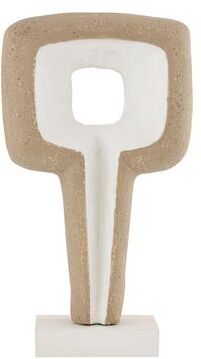
-
Could it be a health risk to wash a rusty object?
Yes, it could be a health risk to wash a rusty object. Rust is a form of iron oxide that can contain harmful bacteria and other contaminants. When washing a rusty object, the rust particles can become airborne and be inhaled, potentially causing respiratory issues. In addition, if the rusty object is used for food preparation or storage, the rust can contaminate the food and pose a health risk if ingested. It is important to handle rusty objects with caution and consider using protective equipment such as gloves and a mask when dealing with them. **
-
'Substance or object?'
A substance is a type of matter that has a specific composition and properties, such as water or salt. An object, on the other hand, is a tangible item that can be seen and touched, such as a book or a chair. While substances are the fundamental building blocks of matter, objects are made up of one or more substances and have a distinct shape and form. **
-
How do I start with running/jogging training?
To start with running/jogging training, it's important to begin with a gradual approach. Start by incorporating short running intervals into your walks, gradually increasing the time spent running and decreasing the time spent walking. It's also important to invest in a good pair of running shoes to prevent injury. Additionally, consider following a beginner's running program or seeking guidance from a running coach to help you build a solid foundation and avoid overexertion. Finally, be patient with yourself and listen to your body as you progress in your training. **
-
What is the difference between object constancy and object permanence?
Object constancy refers to the ability to maintain a consistent emotional bond with a person despite changes in the environment or temporary absences. It involves understanding that people can still care for you even when they are not physically present. On the other hand, object permanence is the understanding that objects continue to exist even when they are out of sight. It is a cognitive milestone typically achieved in infancy, whereas object constancy is a more complex emotional concept that develops later in childhood. **


What is the difference between direct object and indirect object?
A direct object is a noun or pronoun that receives the action of the verb directly, while an indirect object is a noun or pronoun that receives the direct object. In other words, the direct object is the recipient of the action, while the indirect object is the recipient of the direct object. For example, in the sentence "She gave him a book," "book" is the direct object receiving the action of "gave," and "him" is the indirect object receiving the book. **
What is the difference between dative object and accusative object?
In German grammar, the dative object is the indirect object that receives the direct object. It usually answers the question "to whom" or "for whom." The accusative object, on the other hand, is the direct object that receives the action of the verb. It usually answers the question "whom" or "what." In simple terms, the dative object is the recipient of the action, while the accusative object is the direct receiver of the action. **
Top-Angebote
Products related to Object:
-
Elk Home Aston Decorative ObjectThe Aston Tabletop Sculpture is a round decorative object designed to sit upright on a bookshelf or credenza. Featuring a ring of black painted mango wood carved in a sunburst pattern, this sculpture makes a dramatic statement.114,00 $*Shipping: 0,00 $Secure redirect to the provider
-
Sagebrook Home Abstract Iron Decorative ObjectEnhance your home decor with our stunning line of Decorative Accessories. Our decorative accents will inspire your creativity while designing your home and outdoor spaces. A great addition and decoration for upscale hotels and offices.46,49 $*Shipping: 0,00 $Secure redirect to the provider
-
How can the movement of one object be transferred to another?
The movement of one object can be transferred to another through various mechanisms such as direct contact, mechanical linkages, or electromagnetic forces. For example, in a simple scenario, when one object collides with another, the momentum from the first object is transferred to the second object. In more complex systems, gears, pulleys, or belts can be used to transfer motion from one object to another. Additionally, electromagnetic forces can be utilized in systems like motors or generators to transfer movement from one object to another. **
-
What is the difference between prepositional object and object?
The main difference between a prepositional object and an object is their relationship to the verb in a sentence. An object is a noun or pronoun that directly receives the action of the verb, while a prepositional object is the noun or pronoun that comes after a preposition and is related to the verb indirectly. In other words, an object is directly affected by the verb, while a prepositional object is connected to the verb through a preposition. **
-
Could it be a health risk to wash a rusty object?
Yes, it could be a health risk to wash a rusty object. Rust is a form of iron oxide that can contain harmful bacteria and other contaminants. When washing a rusty object, the rust particles can become airborne and be inhaled, potentially causing respiratory issues. In addition, if the rusty object is used for food preparation or storage, the rust can contaminate the food and pose a health risk if ingested. It is important to handle rusty objects with caution and consider using protective equipment such as gloves and a mask when dealing with them. **
-
'Substance or object?'
A substance is a type of matter that has a specific composition and properties, such as water or salt. An object, on the other hand, is a tangible item that can be seen and touched, such as a book or a chair. While substances are the fundamental building blocks of matter, objects are made up of one or more substances and have a distinct shape and form. **
Similar search terms for Object
-
How do I start with running/jogging training?
To start with running/jogging training, it's important to begin with a gradual approach. Start by incorporating short running intervals into your walks, gradually increasing the time spent running and decreasing the time spent walking. It's also important to invest in a good pair of running shoes to prevent injury. Additionally, consider following a beginner's running program or seeking guidance from a running coach to help you build a solid foundation and avoid overexertion. Finally, be patient with yourself and listen to your body as you progress in your training. **
-
What is the difference between object constancy and object permanence?
Object constancy refers to the ability to maintain a consistent emotional bond with a person despite changes in the environment or temporary absences. It involves understanding that people can still care for you even when they are not physically present. On the other hand, object permanence is the understanding that objects continue to exist even when they are out of sight. It is a cognitive milestone typically achieved in infancy, whereas object constancy is a more complex emotional concept that develops later in childhood. **
-
What is the difference between direct object and indirect object?
A direct object is a noun or pronoun that receives the action of the verb directly, while an indirect object is a noun or pronoun that receives the direct object. In other words, the direct object is the recipient of the action, while the indirect object is the recipient of the direct object. For example, in the sentence "She gave him a book," "book" is the direct object receiving the action of "gave," and "him" is the indirect object receiving the book. **
-
What is the difference between dative object and accusative object?
In German grammar, the dative object is the indirect object that receives the direct object. It usually answers the question "to whom" or "for whom." The accusative object, on the other hand, is the direct object that receives the action of the verb. It usually answers the question "whom" or "what." In simple terms, the dative object is the recipient of the action, while the accusative object is the direct receiver of the action. **
* All prices are inclusive of VAT and, if applicable, plus shipping costs. The offer information is based on the details provided by the respective shop and is updated through automated processes. Real-time updates do not occur, so deviations can occur in individual cases. ** Note: Parts of this content were created by AI.